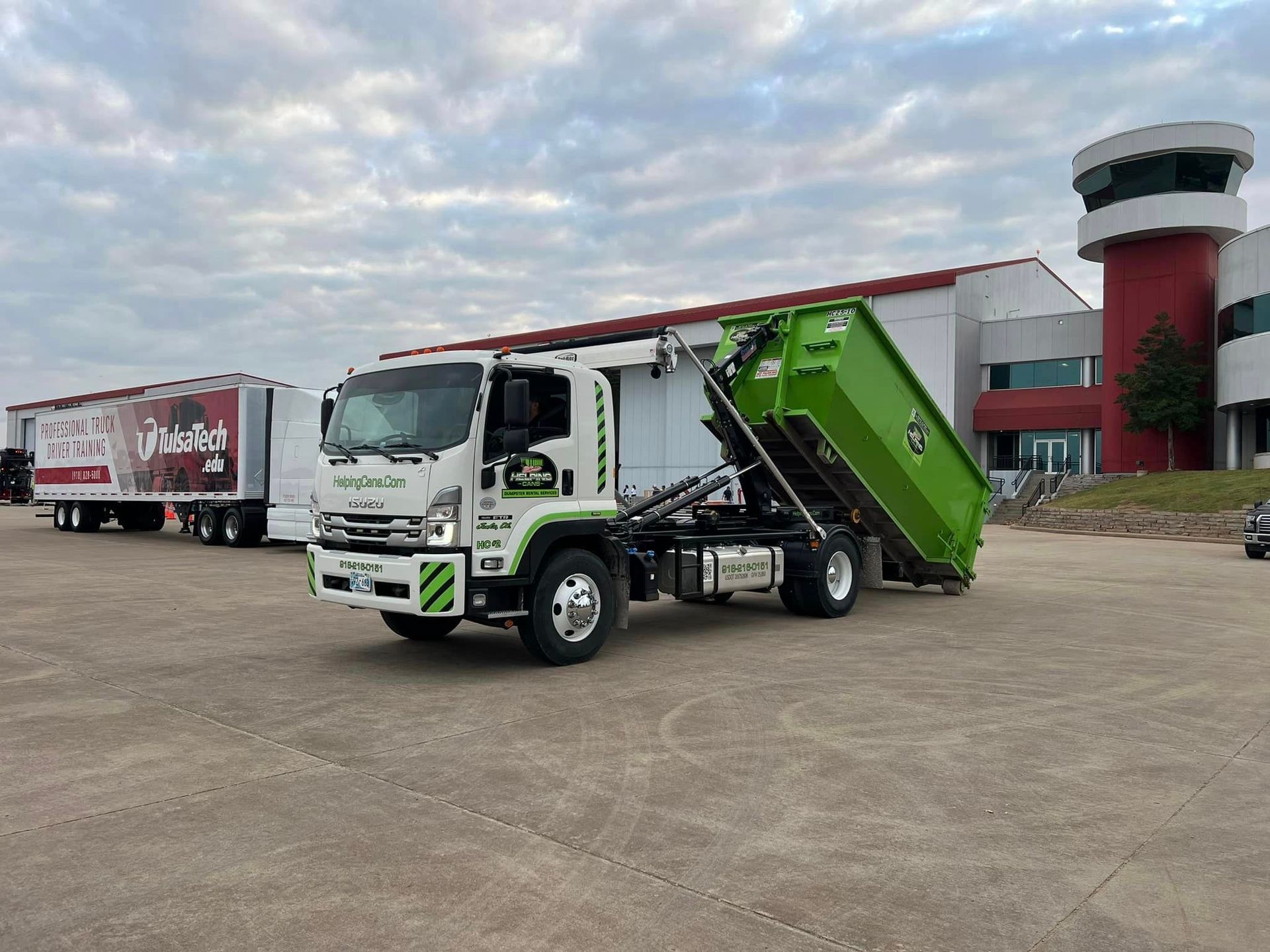
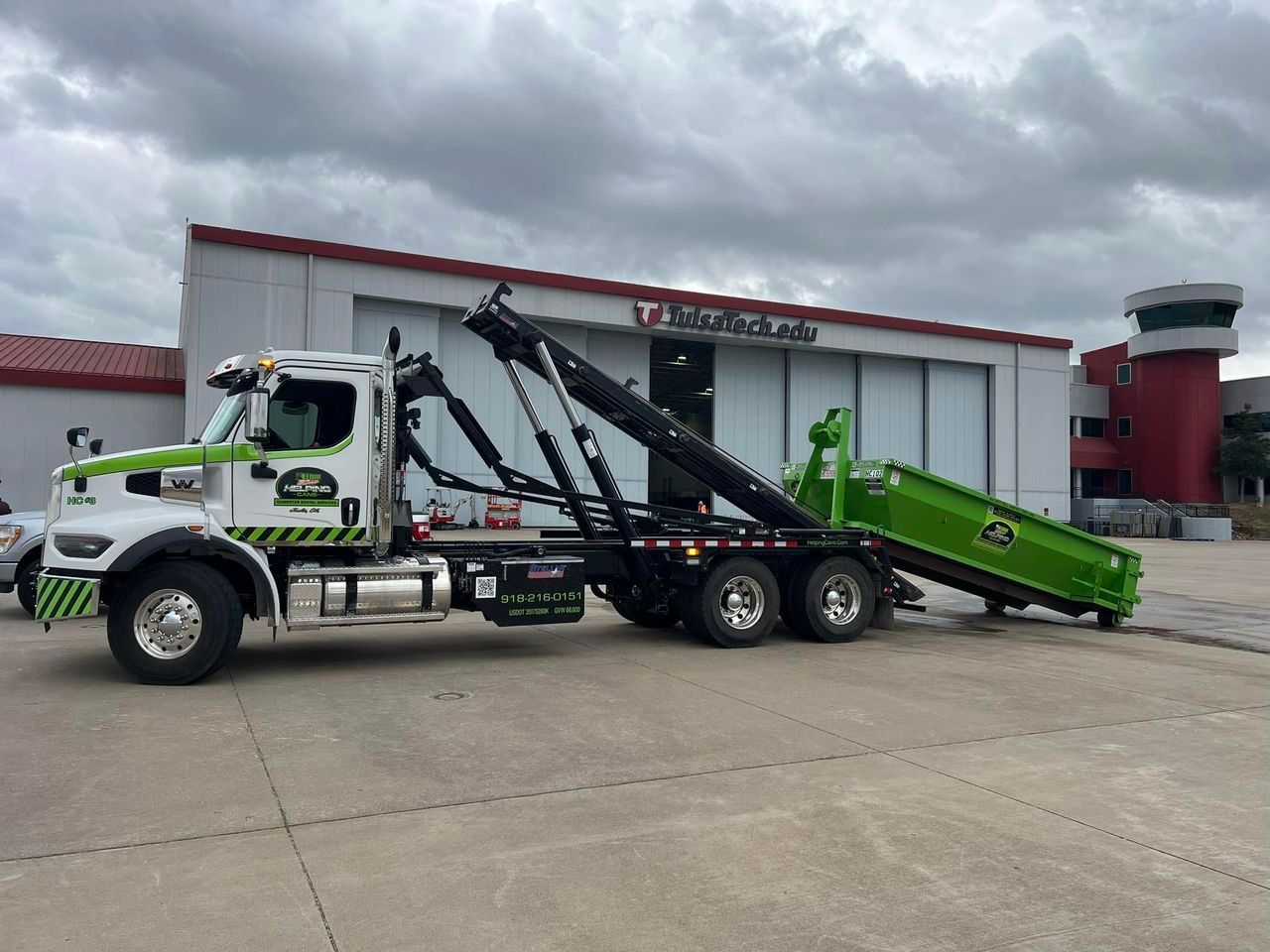
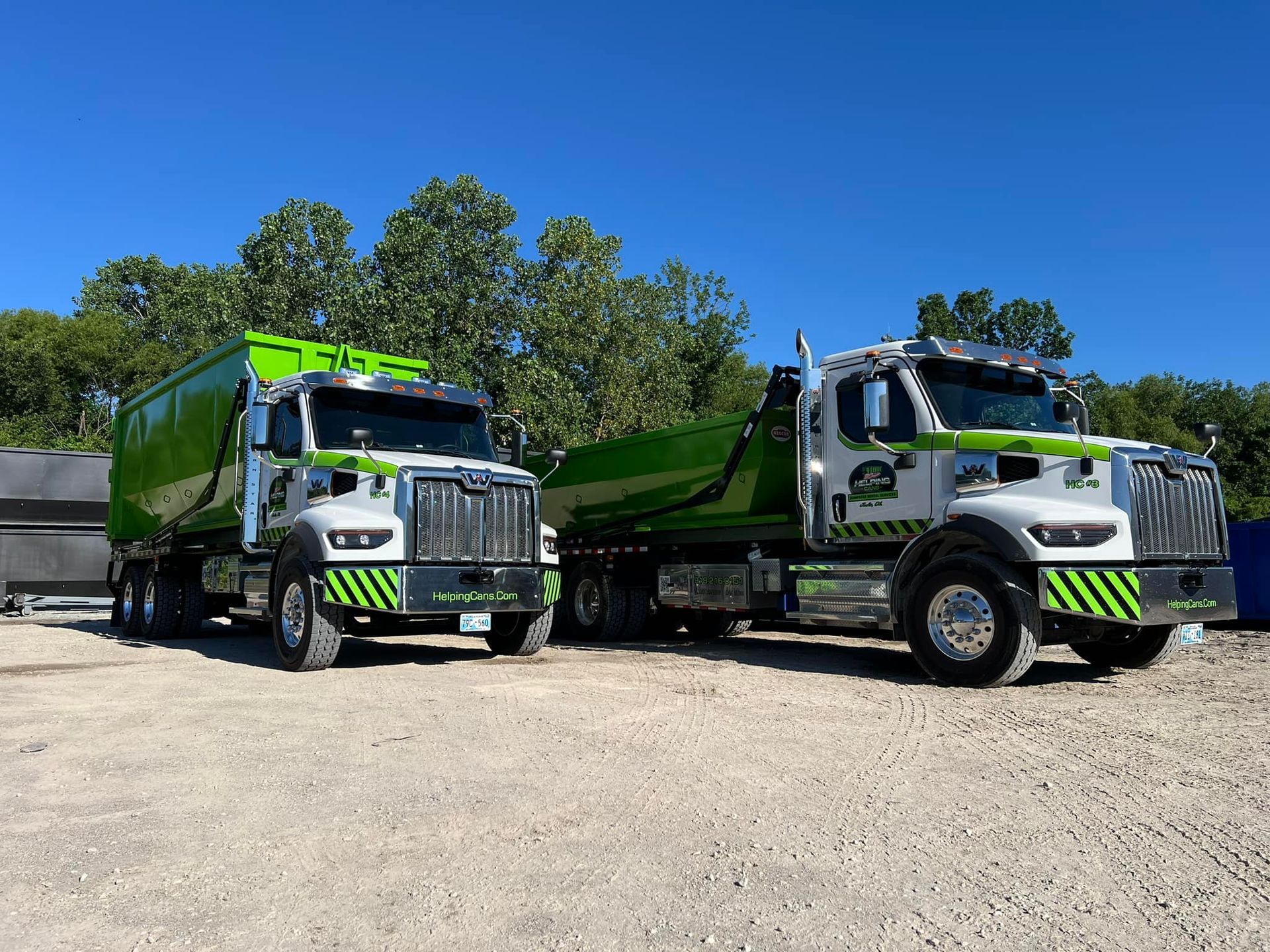
Cleanup and renovation projects are a common part of life across the Tulsa Metro area. From residential neighborhoods to commercial and industrial sites, homeowners and contractors regularly take on projects that require careful planning and dependable debris management. Whether preparing for a renovation, clearing property, or managing a job site, having a plan for waste removal is essential to keeping projects organized and on schedule.
Without proper preparation, debris can quickly become a challenge that slows progress and creates unnecessary complications.
Residential Projects and Home Improvements
Many cleanup projects in the Tulsa Metro begin at home. Garage cleanouts, attic organization, and household decluttering often uncover more debris than expected. Renovation projects such as kitchen updates, bathroom remodels, and flooring replacement also generate significant amounts of waste once work begins.
Planning ahead for debris removal helps homeowners maintain usable living spaces and prevents clutter from interfering with daily routines while projects are underway.
Renovations and Remodeling Work
Renovation projects produce a steady flow of materials that must be managed responsibly. Drywall, cabinetry, fixtures, tile, and packaging materials can accumulate quickly, especially during multi room updates or larger remodels.
Selecting the appropriate dumpster size and planning for placement early in the process helps ensure debris can be removed efficiently as work progresses rather than piling up around the property.
Contractor and Job Site Organization
Contractors across the Tulsa Metro rely on clean, organized job sites to maintain productivity and safety. Construction debris, demolition materials, and packaging waste can disrupt workflow if not managed consistently.
A clear debris management plan supports steady progress and allows crews to focus on completing work efficiently. Proper containment also helps maintain safer working conditions throughout the project timeline.
Choosing the Right Dumpster Size
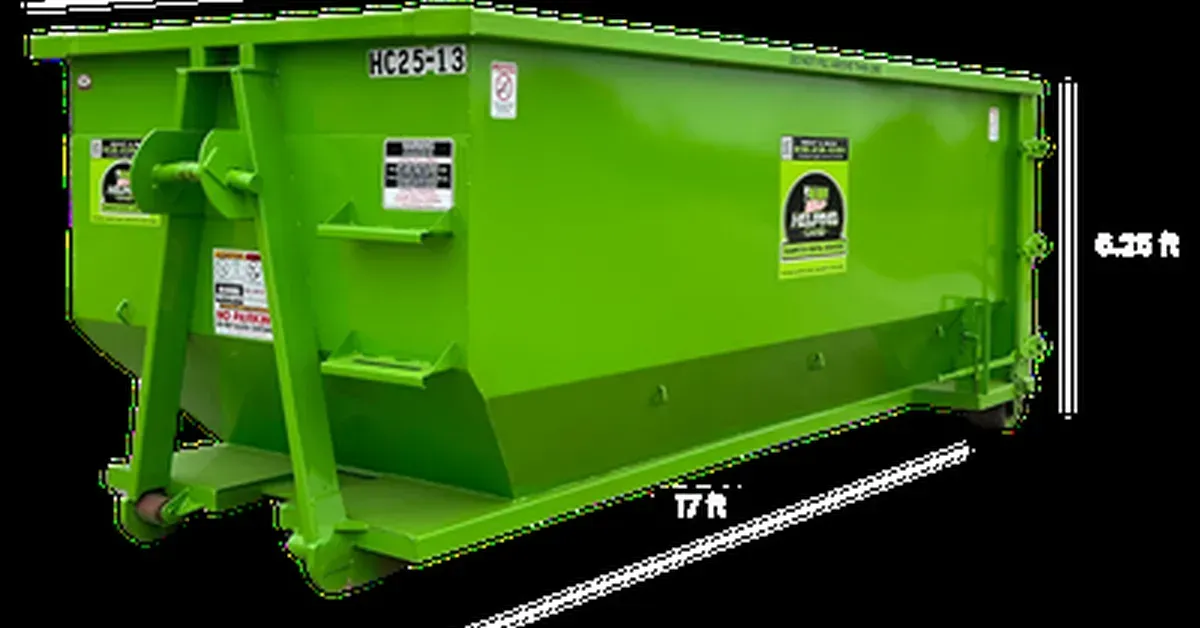
One of the most important decisions in project planning is selecting the right dumpster size. Smaller cleanouts may require compact containers, while larger renovations or construction jobs need greater capacity to handle ongoing debris removal.
Understanding how different dumpster sizes align with specific project needs helps prevent overflow, delays, and the need for additional hauls once work is underway.
Placement and Access Considerations
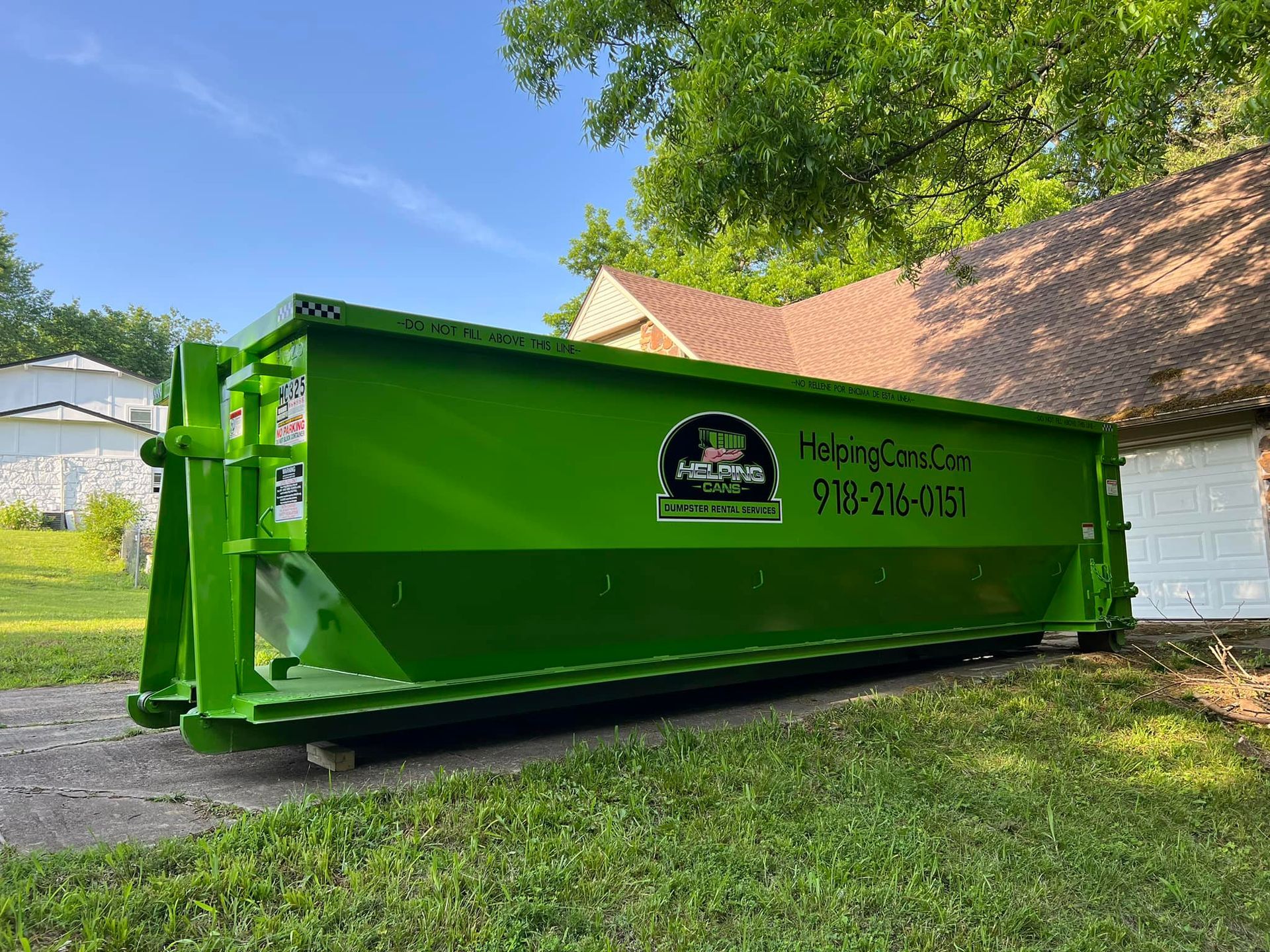
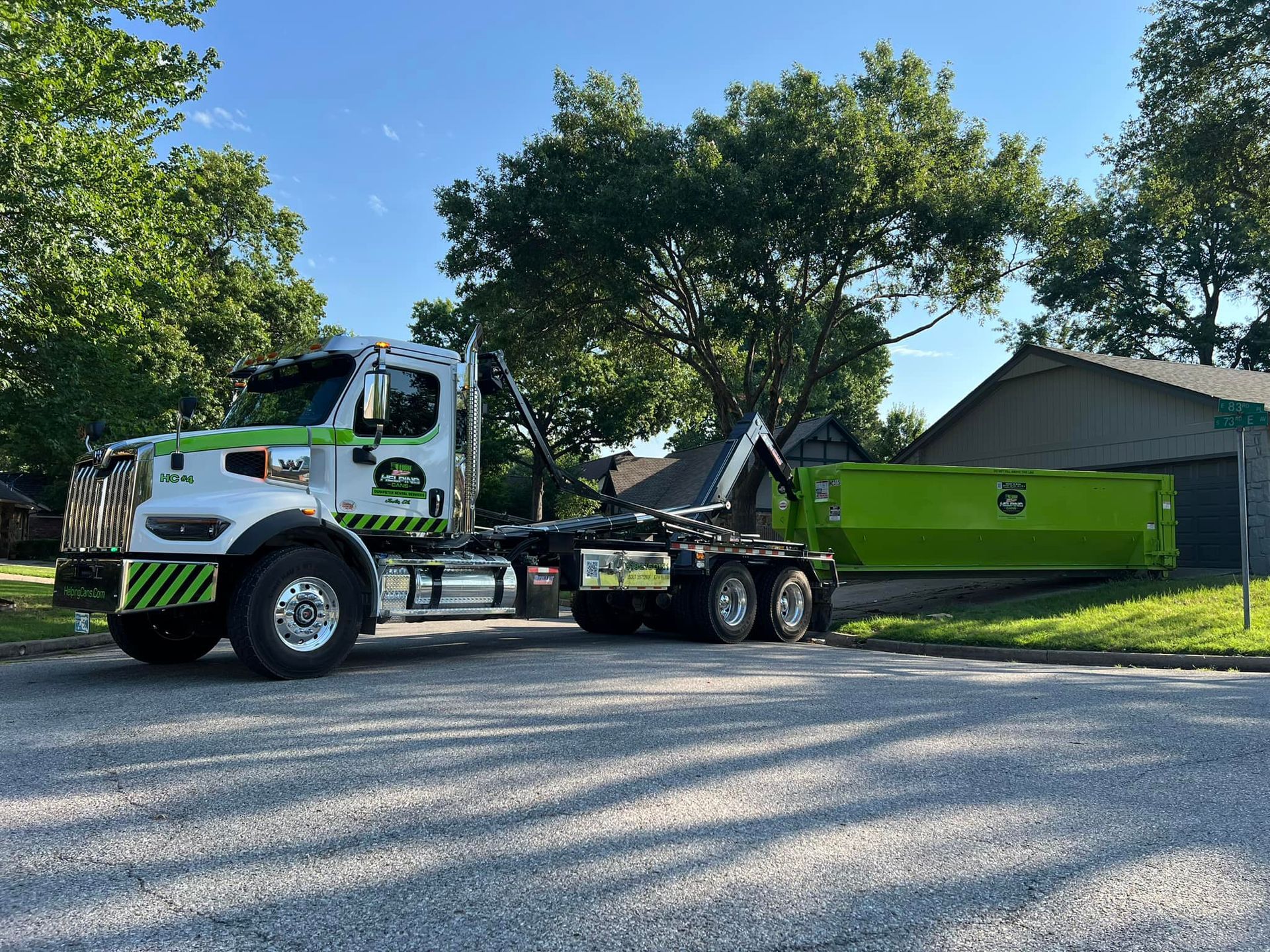
Properties across the Tulsa Metro vary widely in layout and access. Driveway size, job site configuration, and surrounding structures all influence where dumpsters can be placed safely and effectively.
Planning ahead for placement helps avoid complications during delivery and ensures efficient use throughout the rental period.
Managing Debris Throughout the Project
Many projects generate debris gradually rather than all at once. Renovations, construction work, and property cleanouts often require ongoing debris management as tasks are completed in stages.
Planning for consistent containment helps maintain clean work areas, reduces safety risks, and keeps projects moving forward without interruption.
Planning Ahead for Better Project Outcomes
One of the most common challenges with cleanup projects is underestimating debris volume. Without proper planning, waste can interrupt progress and extend timelines.
Understanding when to plan for
dumpster rental Tulsa OK allows homeowners and contractors to stay organized and complete projects efficiently across the Tulsa Metro area.
Supporting Clean and Organized Projects
Dumpster rentals play an important role in supporting clean, organized projects throughout the Tulsa Metro. From residential cleanouts to commercial and industrial job sites, thoughtful planning for debris management helps ensure projects are completed responsibly and with fewer disruptions.
With proper preparation, cleanup projects of all sizes can move forward smoothly while maintaining safe and efficient work environments.